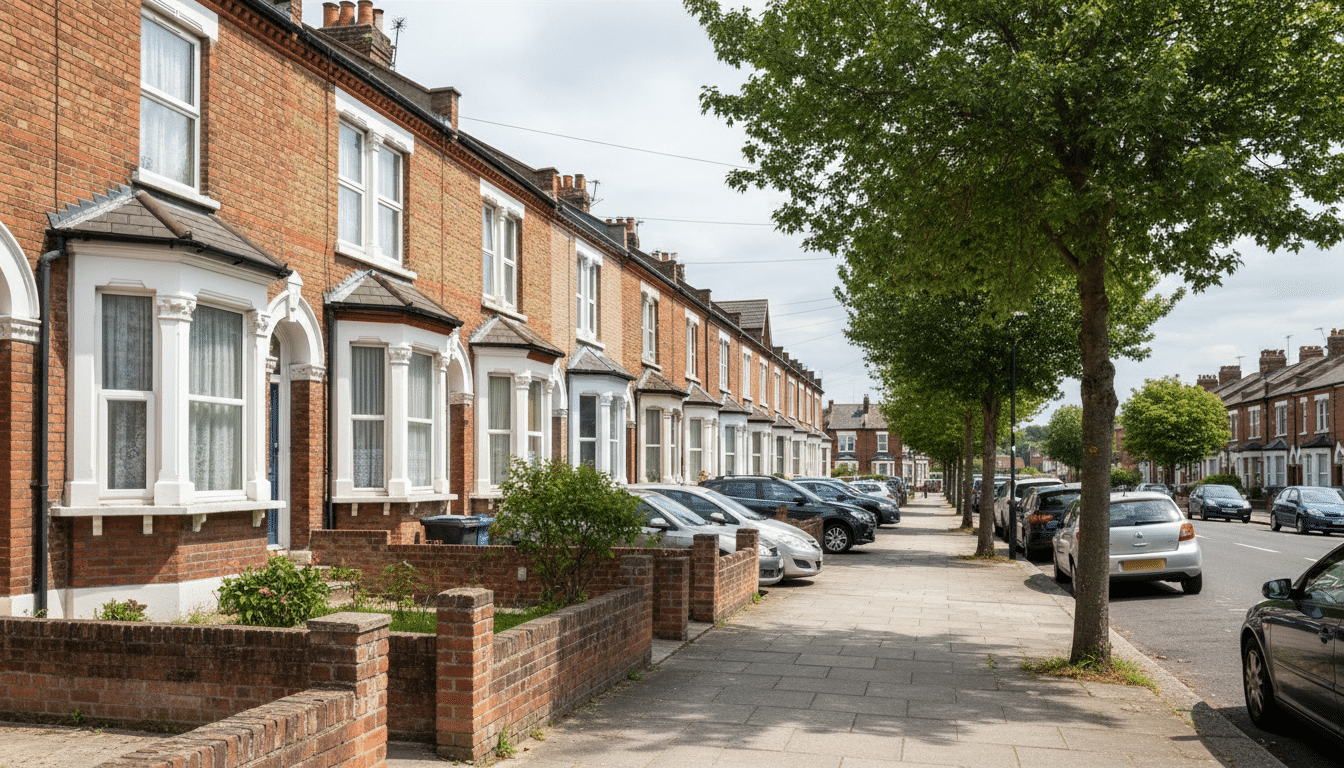
Romford is a large town on the eastern edge of London, a short trip from our office in Chadwell Heath. If you are thinking of renting there, this guide covers where it is, how people get around, what official figures say about rents and prices, the rules that apply to private renting in 2026, the council’s licensing schemes and a short checklist to use before you sign.
FindMyNextStay is new, so there may be only a few Romford homes listed at first. If you do not see the right place yet, you can post what you are looking for and let landlords come to you (more on that below).
Where Romford is
Romford sits in the London Borough of Havering, on the eastern side of London. Havering Council splits the borough into 20 wards. Romford Town is the ward that carries the town’s name, and other wards you may see in adverts include Squirrels Heath, Rush Green and Crowlands, Harold Wood and St Edward’s. Knowing the ward name is useful, because some council rules (see the licensing section below) depend on it.
Getting around
Romford station is on South Street (postcode RM1 1SX). National Rail says it is managed by the Elizabeth line and rates it step-free category A, which means there is step-free access to all platforms. Listed facilities include lifts, toilets, a ticket office, waiting areas and bicycle storage. The station is in London fare zone 6.
Most trains that stop at Romford are Elizabeth line services. Off-peak, they run west across London to Paddington, with some going on to Heathrow, and east to Shenfield. The station is also the end of the London Overground Liberty line to Upminster, and some Greater Anglia trains between London Liverpool Street and Southend Victoria call there. Many London bus routes stop outside. Timetables change, so check the National Rail or TfL journey planner before you rely on a route.
When you view a home, try doing the trip to work or college at the time you would really travel. It is the quickest way to find out whether a place suits you.
What rents and prices look like
The Office for National Statistics (ONS) publishes official figures for the whole of Havering, not for Romford alone. They are averages, so a particular flat may cost more or less. According to the ONS, the average monthly private rent in Havering was £1,567 in September 2026, up 0.9% from £1,553 a year earlier. That rise was lower than across London as a whole (3.5%), where the average was £2,338.
| Size of home (Havering) | Average monthly rent, September 2026 |
|---|---|
| One bedroom | £1,218 |
| Two bedrooms | £1,544 |
| Three bedrooms | £1,851 |
| Four or more bedrooms | £2,499 |
| All private rented homes | £1,567 |
If you are thinking of buying instead, the same ONS page gives the average house price in Havering as £445,000 in August 2026 (provisional), up 1.1% on a year earlier. Flats and maisonettes averaged £249,000 and terraced houses £432,000. First-time buyers paid an average of £385,000 (provisional). ONS notes that recent house price figures are provisional and may be revised.
Rules and rights that apply
Private renting in England changed on 1 May 2026 under the Renters’ Rights Act. In short, according to the government’s guidance: section 21 “no fault” evictions have been abolished, and a landlord now needs a legal reason, such as selling or moving in, to end a tenancy; most tenancies are now rolling (periodic) tenancies, and tenants give two months’ notice in writing to leave; rent can only be put up once a year, with at least two months’ written notice; adverts must show an asking rent and landlords cannot accept offers above it; a landlord cannot ask for more than one month’s rent between signing and the start of the tenancy; and it is now illegal to discriminate against renters who have children or receive benefits. You can also ask to keep a pet, and the landlord must consider your request and give reasons if they say no. For more detail, read our guide to what changed under the Renters’ Rights Act.
Licensing in Havering. Havering Council started two new licensing schemes on 18 March 2026. The first is additional HMO licensing, which covers the whole borough. It applies to homes rented to three or four unrelated people who share facilities such as a kitchen or bathroom. Larger shared homes, with five or more people from two or more households, already need a mandatory HMO licence. The second is selective licensing, which means most other privately rented homes need a council licence, but only in seven of the borough’s 20 wards: Beam Park, Harold Wood, Rainham and Wennington, Rush Green and Crowlands, Squirrels Heath, St Alban’s and St Edward’s. Romford Town ward was in the council’s earlier selective scheme, which ended in January 2026, but it is not on the list for the new one. London Property Licensing says both new schemes run for five years.
The council keeps a public register of the licences it has granted, so you can check an address before you pay anything. If a home seems to need a licence but is not on the register, the council asks people to report it.
This is a summary, not legal advice.
A short checklist before you sign
- View the home in person, or by live video if you cannot get there.
- Ask which ward the home is in. If it is a shared house, or it is in one of the seven selective licensing wards, search the address on the Havering public register.
- Check the advert shows a clear asking rent, and that you are not asked for more than one month’s rent before the tenancy starts.
- Read the written information about your tenancy before you agree to it, and ask how council tax and bills are paid.
- If you pay a deposit, check which government-approved scheme protects it.
- Do not send money to someone you have not met for a home you have not seen. Our guide on how to spot a rental scam lists the warning signs.
For owners and agents
If you let a home in Romford, you can list it on FindMyNextStay for free. Check whether the property needs a licence from Havering Council: any shared house with three or more unrelated people anywhere in the borough, and most rented homes in the seven selective wards. The council says renting out an unlicensed property that needs a licence is a criminal offence. Include the asking rent in your advert, as the new rules require. Clear photos and an honest description get more replies. If you are new to the site, our step-by-step guide shows how posting works.
Looking for a home in Romford?
Tell landlords what you need: your budget, how many bedrooms, when you want to move and anything else that matters to you. Your request appears in the tenants looking section, so owners can get in touch. If you are also considering nearby areas, see our guides to renting in Chadwell Heath and renting in Ilford.
Sources: ONS, Housing prices in Havering; National Rail, Romford station; Wikipedia, Romford railway station; IanVisits, Romford Rail Station; GOV.UK Housing Hub, Private renting is changing; Havering Council, New property licensing schemes; Havering Council, Selective licensing wards; Havering Council, Landlord licensing; Havering Council, Public register of licences; London Property Licensing, Havering schemes. Checked October 2026. Rents and rules change, so please confirm the details before you decide.